
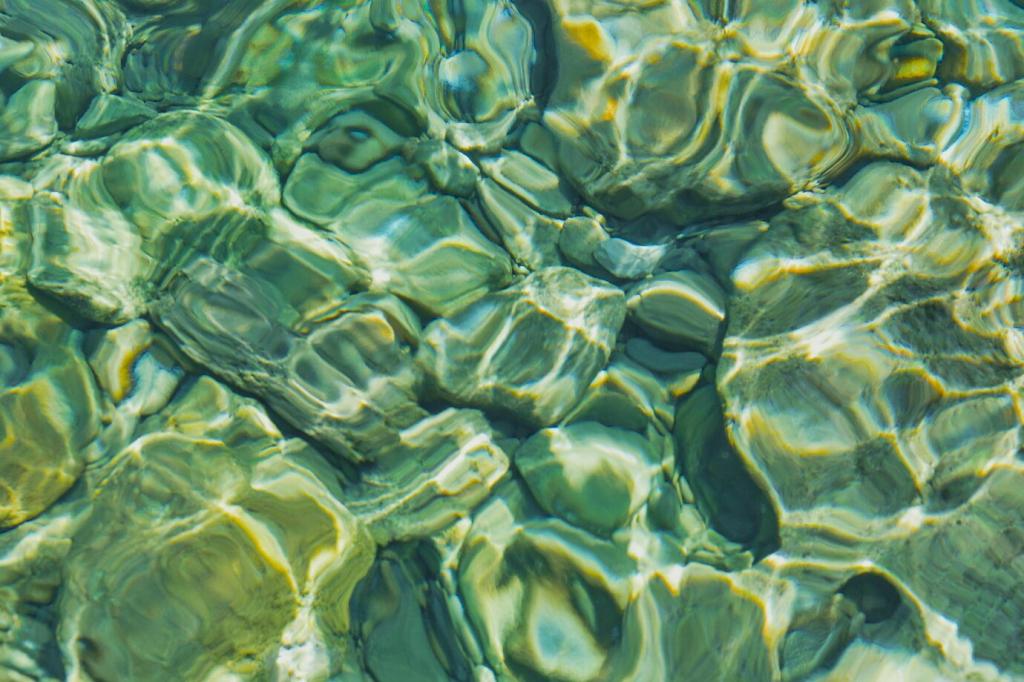

Today’s theme: Selecting the Perfect Water Feature for Your Garden. Step into a world of gentle ripples, sparkling light, and calming sounds as we guide you to the water element that fits your space, style, and budget. Share your garden’s vibe in the comments and subscribe for hands-on tips, checklists, and seasonal reminders.

Read Your Landscape Before You Add Water

Sun, Shade, and Microclimates

Track sunlight across the day and note hot, breezy, or sheltered pockets. Full sun can boost algae and evaporation, while dappled shade often keeps water cooler and clearer. Sketch your garden’s light map, then tell us where your calm corner lives so we can suggest ideal water features.

Soil, Slope, and Drainage

Clay soils hold water; sandy soils drain fast; slopes accelerate runoff. A small grade can power a cascade, but it also needs a safe overflow route. Add a gravel trench and a discreet capillary break to protect paving. Ask questions below to get our drainage checklist and avoid soggy surprises.

Style Cues From House and Hardscape

Let your architecture guide the mood. A crisp, right-angled rill fits modern lines, while a mossy boulder fountain suits a cottage path. Echo materials—brick, steel, or stone—so the water feature feels anchored. Comment with three words that describe your garden style, and we’ll suggest matching forms.

Choosing the Right Type: Fountain, Pond, Stream, or Waterfall?

Self-contained fountains deliver presence without claiming much ground. They recirculate, reduce water use, and keep maintenance simple—just clean the pump intake and top up occasionally. They suit patios where seating is close. If you love a sculptural focal point, subscribe for our shortlist of timeless designs.

Choosing the Right Type: Fountain, Pond, Stream, or Waterfall?

Shallow shelves invite dragonflies and birds, while a deeper pocket—around sixty centimeters—can shelter fish in many climates. Choose native aquatic plants to oxygenate and shade the water. Install a fine net during leaf-fall and check local bylaws for fish. Tell us your wildlife goals to shape a pond plan.

Choosing the Right Type: Fountain, Pond, Stream, or Waterfall?

A meandering stream feels natural, especially with riffles, eddies, and a hidden biofalls. Mind the total head height, liner integrity, and power access for the pump. Consider energy use if the run is long. Vote in the comments: gentle brook or bold cascade—what sound suits your sanctuary?

Scale, Proportion, and Sightlines

A simple rule of thumb: let planting and hardscape carry most of the composition, with the water feature commanding a refined ten to thirty percent. Align it with a key sightline from your favorite chair or the kitchen window. Share a photo, and we’ll help you find a balanced focal point.

Scale, Proportion, and Sightlines

Higher falls yield more splash, so pair spill height with a basin generous enough to catch the arc. Use a one-to-one-and-a-half rule for comfortable clearance, then test for wind drift. A proper splash zone protects paving, reduces lost water, and keeps maintenance pleasantly predictable.

Sound, Serenity, and the Acoustic Footprint

Decibel Reality vs Perceived Calm

Even moderate flows can outcompete traffic if they create a gentle, consistent spectrum between five hundred and two thousand hertz. Place seating within earshot but away from splash. Try the clap test: if clapping echoes loudly, add porous surfaces to soften reverb. Share your sound challenges below.

Materials, Budget, and Maintenance

Granite and basalt shrug off weather; limestone may patina and soften over time. Corten steel brings warm rust, while stainless stays crisp. High-fired ceramic dazzles but needs freeze-thaw care; resin is lightweight yet less tactile. Post your climate zone and budget for material recommendations that age gracefully.

Planning, Safety, and Permits

Choose shallow basins with protective grates where little feet roam. Use non-slip pavers and keep edges rounded. For ponds, consider perimeter fencing or subtle barriers set in planting. Share your household needs, and we’ll suggest safety-first options that still feel elegant and inviting.

Planning, Safety, and Permits

Call before you dig to locate lines, then review setbacks and water-use rules. Some areas restrict new ponds or require recirculation. Keep features away from drainage easements and foundations. Comment with your region, and we’ll point you toward typical oversight to streamline approvals.

Seasonal Rhythm and Sustainability

Before hard frost, drain exposed lines, clean and store the pump, and protect ceramic vessels from freeze expansion. In mild climates, run low and cover intakes. Share your first-freeze date and we’ll send a timely reminder checklist so nothing gets missed in the rush.
Hongtingedu
Privacy Overview

This website uses cookies so that we can provide you with the best user experience possible. Cookie information is stored in your browser and performs functions such as recognising you when you return to our website and helping our team to understand which sections of the website you find most interesting and useful.